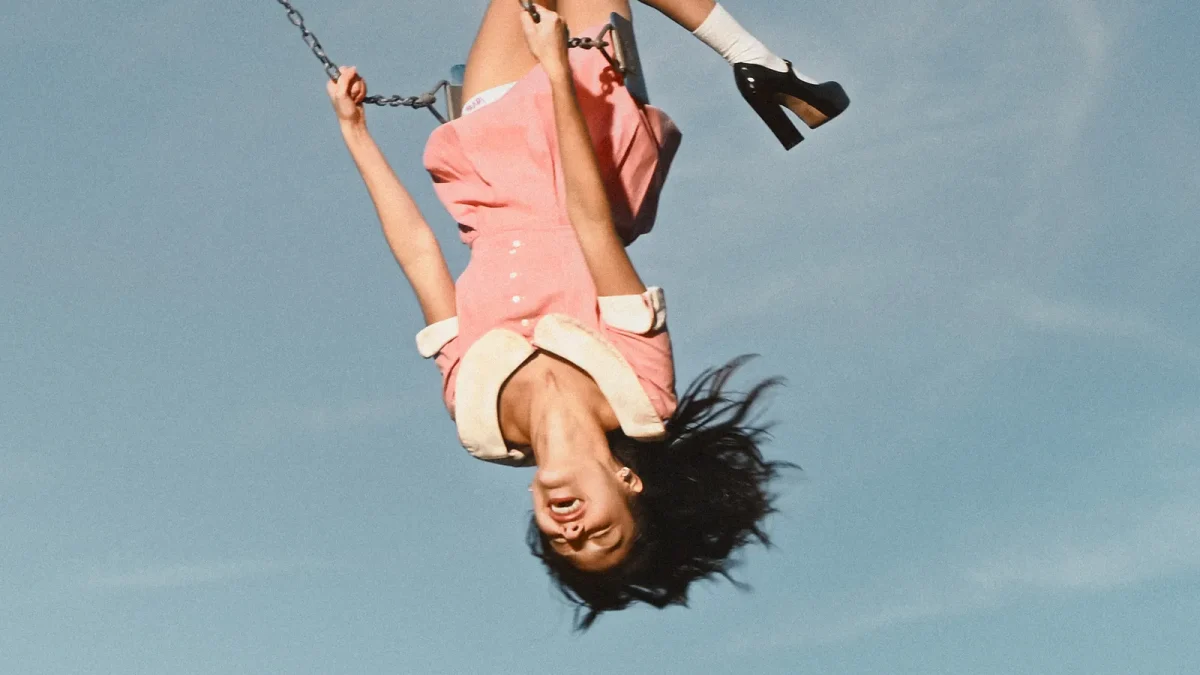

























Every time Taylor Swift steps out into the limelight, it’s more than just singing. It’s a mix of costumes, poems and dedication that leaves her fans with memories they will never forget. For her, the “showgirl life” means connecting with people through relatability, emotion and captivating entertainment. In many ways, she is the perfect example of a showgirl. With “The Life of a Showgirl,” Swift proves she still knows how to turn vulnerability into spectacle without losing control of the narrative.
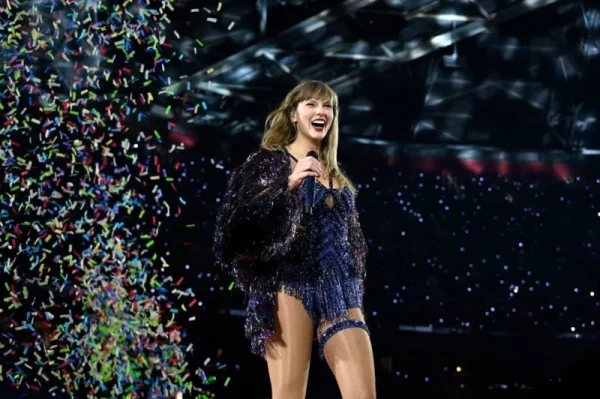
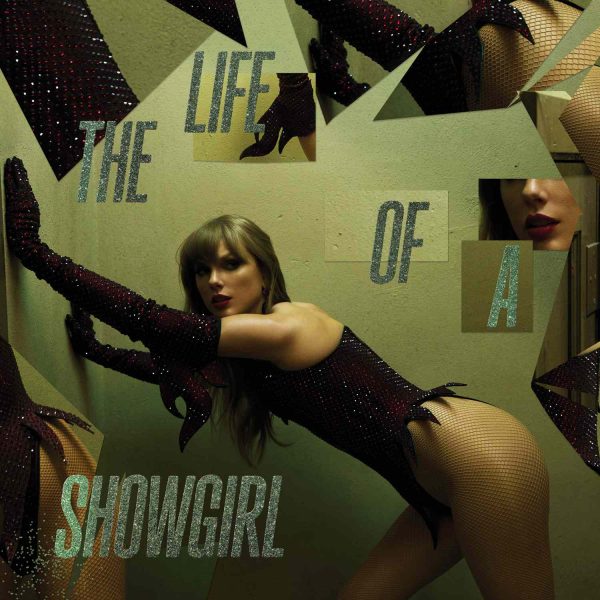
Swift has just released her 12th studio album, “The Life of a Showgirl,” just 18 months post-release of her 11th studio album, “The Tortured Poets Department.” She released “The Tortured Poets Department” in the midst of her tour, The Eras Tour, meaning she wrote and produced “The Life of a Showgirl” during the tour. Swift released the album only 10 months after the tour concluded. The quick turnaround alone makes this album feel ambitious and intentional rather than rushed.
Before the release of “The Life of a Showgirl,” AMC Theatres announced it would host a release party for the album. This immediately captured the Swifties’ attention, making it the “biggest album debut event in cinema history” just from opening day, according to AMC Theaters Distribution.
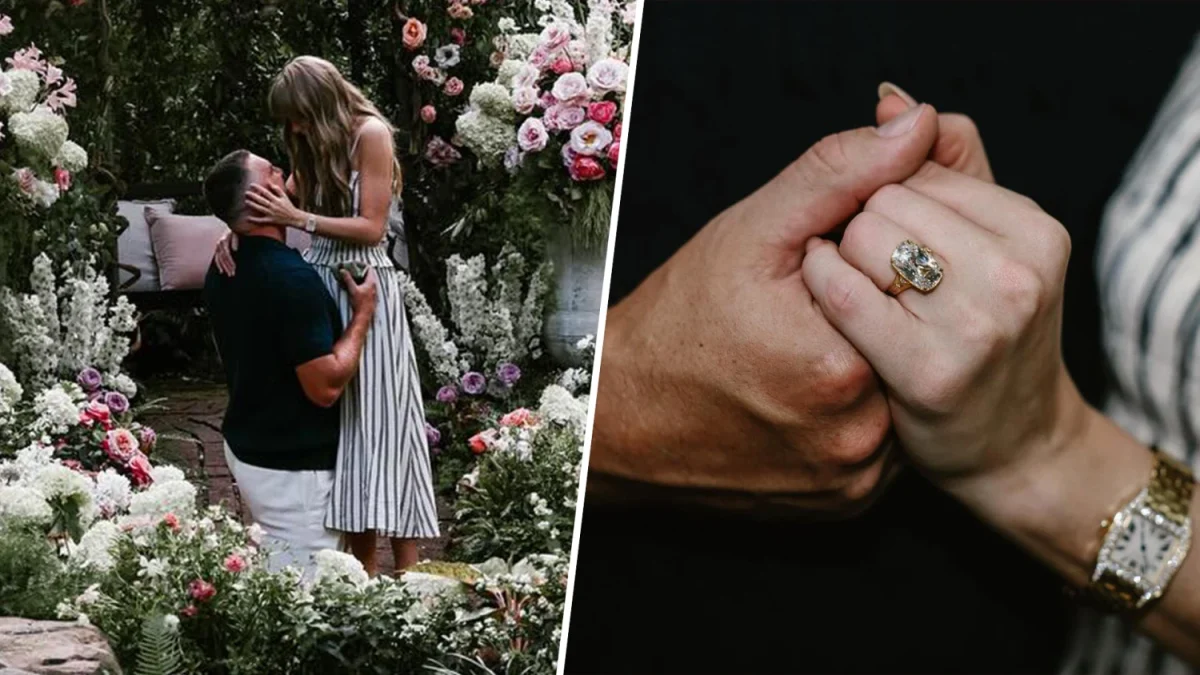
The lead track on “The Life of a Showgirl” is named “The Fate of Ophelia,” with a run time of 3:47. Ophelia is a Shakespearean character from “Hamlet” who drowns herself in madness and grief. The main idea of this song is to explain how Travis Kelce, her fiancé, had saved her from “The Fate of Ophelia” after a terrible heartbreak caused by the separation of Swift and her now ex Joe Alwyn. As an opener, Sweift sets a dramatic tone that’s fitting for an album centered on performance and reinvention.
The second track, “Elizabeth Taylor,” with a run time of 3:29, explores the comparison between Swift and the actress Elizabeth Taylor. The two women have shared experiences navigating intense public scrutiny, relationships, public image and their overall relationship with fame. Phrases used in the second track, like “violet eyes,” which Swift’s eyes have a hue of, and “white diamonds,” a fragrance by Elizabeth Taylor, really incorporate the Easter eggs that Swift adds to her songs.
Opalite is man-made Opal. Taylor Swift has expressed her love for the Opal gemstone throughout the years. In the release party film, Swift explains in the third track of the album, “Opalite,” with a run time of 3:56, that using the word “Opalite” is a metaphor for “creating your own happiness.” Again, another nod to Travis Kelce, whose birthstone is Opal, meaning Kelce helped create Swift’s happiness. The metaphor adds emotional depth and reinforces the album’s theme of self-made joy.
The fourth track, “Father Figure,” with a run time of 3:32, stands out as one of the album’s most thought-provoking moments. This track has a very confusing title to some, but it is filled with possibilities, considering many roadblocks Swift has faced. These lyrics go from “I’ll be your father figure,” which is a clear reference to her early career, followed by a modern-day perspective on the situation she was in with her first record label, led by Scott Borchetta.
“Every eldest daughter is the first lamb to the slaughter.” These are lyrics from Swift’s fifth track on the album, “Eldest Daughter,” with a run time of 4:07. She expresses the tragic situation of being an eldest daughter and being the first to face unreasonable expectations. Swift also touches on finding the vulnerability within her again, supposedly because of Kelce.
The following track is named “Ruin The Friendship,” with a 3:41 run time. It is a devastating piece about Swift’s regrets. Instead of being about actress Blake Lively, whom many thought it was, Swift sings about a high school crush, Jeff Lang, who passed away when he was 21 years old. Swift never confessed her feelings and wrote this regret through the lyrics, “Should’ve kissed you anyway.”
The next track, “Actually Romantic,” runs for 2:44. The song explores a rumored conflict between Swift and another artist, Charli XCX. Rather than turning hostile, Swift highlights the tension between competition in pop music. “Actually Romantic” comes across less as confrontation and more as reflection, framing rivalry as Swift wrote “actually sweet.” Her reflective tone shows growth, choosing nuance over drama.
The eighth track, “Wi$h Li$t,” runs for 3:27. The song contrasts luxury and fame with the simplicity of love. Swift shifts from “bright lights and Balenci shades” to dreaming of “a driveway with a basketball hoop,” defining success to herself as stability and connection. “Wi$h Li$t” feels less like a reflection of wanting something real beyond the spotlight.
“Wood” is the ninth track with a run time of 3:31. “Wood” is about Swift’s superstitions and her passion for them. The lyrics reference cultural associations with luck, such as “knocking on wood” and seeing a black cat as a bad omen.
“CANCELLED” is the 10th track, explaining how she understands what it’s like to be cancelled. “CANCELLED” runs for 3:32. Some people speculate that this song is about actress Blake Lively because of their past friendship, but most believe it is about cancel culture in general. In the track, Swift sings, “At least you know exactly who your friends are, they’re the ones with matching scars.” This shows that she has likely befriended several other public figures who have been unfavored by the public and now considers them some of her closest friends.
The 11th track, “Honey,” with a run time of 3:02, is about finding a love worthy of sweet nicknames like “honey.” Swift describes situations in which she has been passively called nicknames, “If anyone called me ‘Honey, ‘ it was standin’ in the bathroom, white teeth they were sayin’ that skirt don’t fit me, and I cried the whole way home.” In the song, she explains how it’s different when her lover, Travis Kelce, calls her by a nickname because she’s the one he wants.
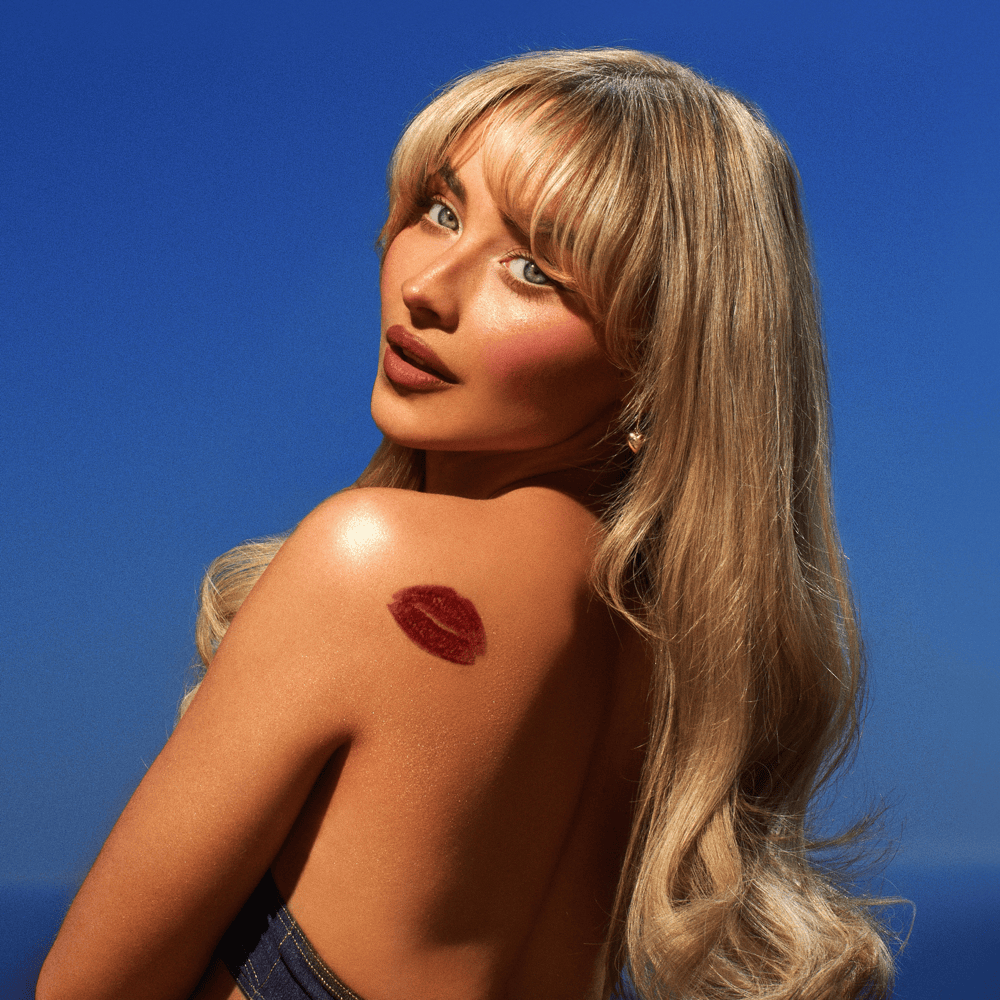
“The Life of a Showgirl,” the record’s 12th and title track with a run time of 4:06, is accompanied by pop artist Sabrina Carpenter and is the only song with a feature on the album. “You don’t know the life of a showgirl, babe, and you’re never gonna wanna” is a line from the track accentuating the meaning behind the song, the difficulties and depth behind show business. Both Carpenter and Swift are prominent artists in the industry, and both have faced controversy and hate. They depict those aspects well in “The Life of a Showgirl.”
Some of Taylor Swift’s fans suspect that each song from “The Life of a Showgirl” has a sister album (an album showing many similarities) from Swift’s discography. Others think “The Life of a Showgirl” is “Reputation”’s sister album, as she never released “Reputation (Taylor’s Version).”
Overall, “The Life of a Showgirl” feels more cohesive than some of Swift’s previous releases. While it may not be her most experimental album, it succeeds because of its clarity, storytelling and emotional honesty.
My personal favorite songs on the album are “Ruin The Friendship” and “Actually Romantic.” Although all of the songs are enjoyable, I prefer these two because they both have a deeper meaning than what’s on the surface, as do most of Swift’s songs.
This album clearly has significantly fewer songs than Swift’s last album, “The Tortured Poets Department.” While most listeners prefer that one, “The Life of a Showgirl” is a very different album, and Swifties enjoy it as well. Even if it does not redefine her career, it proves Swift remains one of the strongest storytellers in modern pop music.