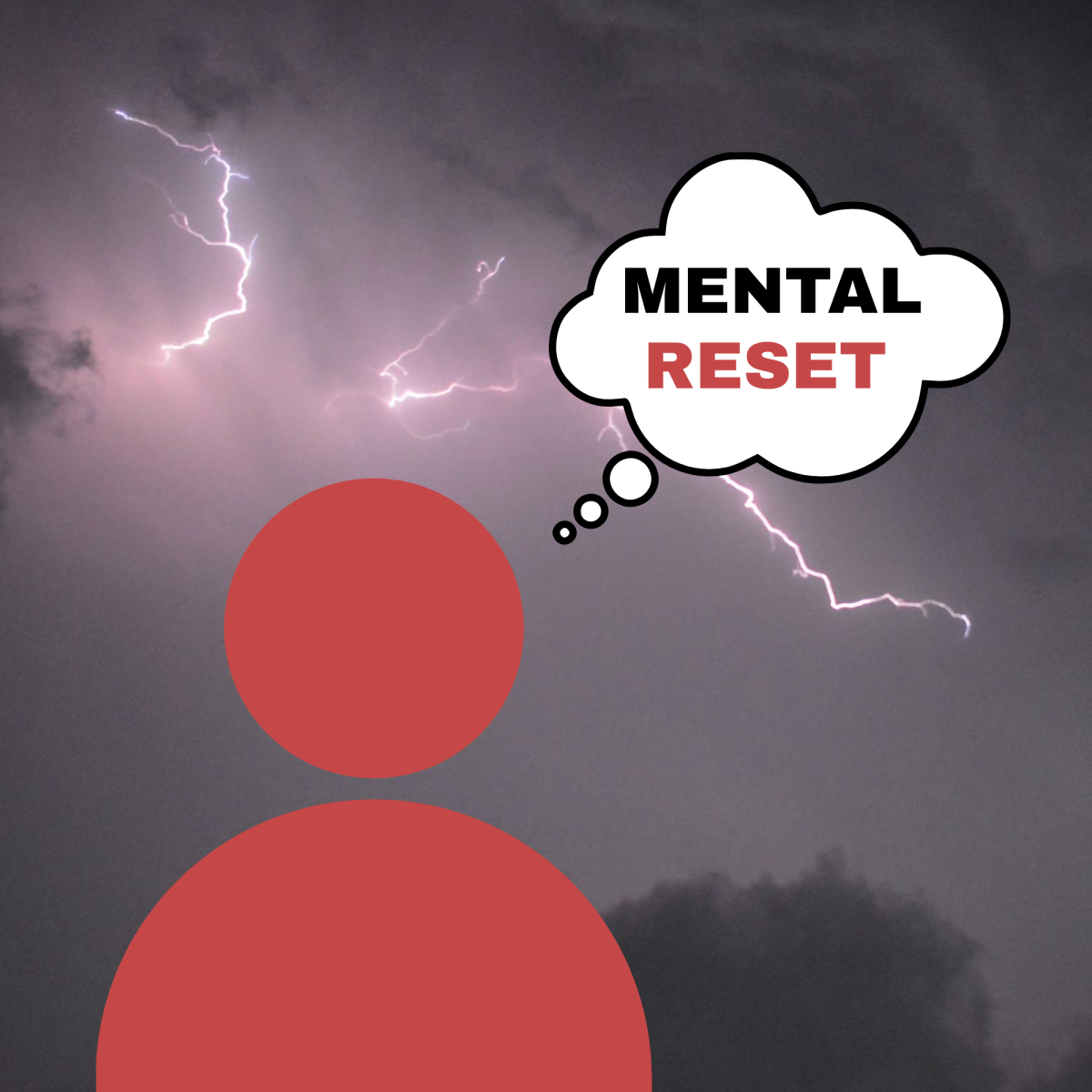





































Anxiety is often described in a casual sense -”I’m so anxious for this test” or “That made my anxiety spike” – but clinically speaking, it has a specific meaning. Anxiety is the body’s natural response to sudden threat. It is a biological and psychological state marked by the heightened alertness of an increased heartrate, muscle tensions, and racing thoughts. At the core, anxiety is not a flaw in the human design, It is a flaw of the survival system that has kept people alive for thousands of years. When faced with danger, the brain activates what is commonly known as the fight-or-flight response, a way to prepare the body to react quickly. In the right context, this response is protective.
In moderate amounts, anxiety can be beneficial. For example, it can motivate a student to study for an exam or encourage an athlete to practice before a competition. This type of anxiety is proportional to the situation and tends to subside once the arising issue has passed. It sharpens awareness and improves performance by signaling that something important is at stake. Which is a sense that everyone needs in their day to day lives.
The problem with anxiety is that when it arises it can become excessive and persistent. It can also correspond with something ranging completely out of the field of danger. Anxiety occurs when worry or fear becomes overwhelming. According to the national institute of mental health, anxiety disorders are characterized by intense, excessive, and persistent fear and worry about everyday situations. They are among the most common mental health conditions in the United States. Something so common, that The Anxiety and Depression Association reported that anxiety disorders affect more than 40 million adults in the United States per year, overall, illustrating how widespread the condition really is.
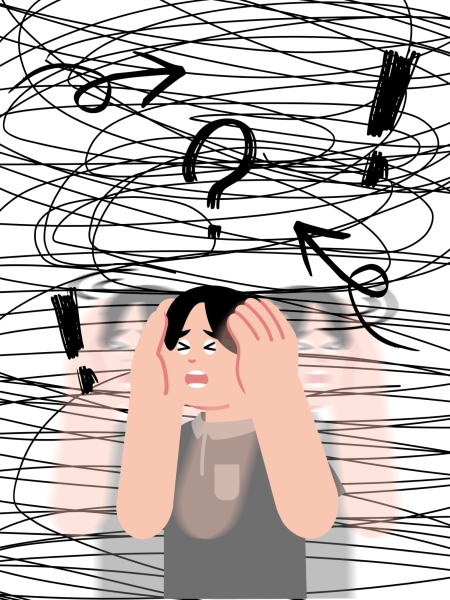
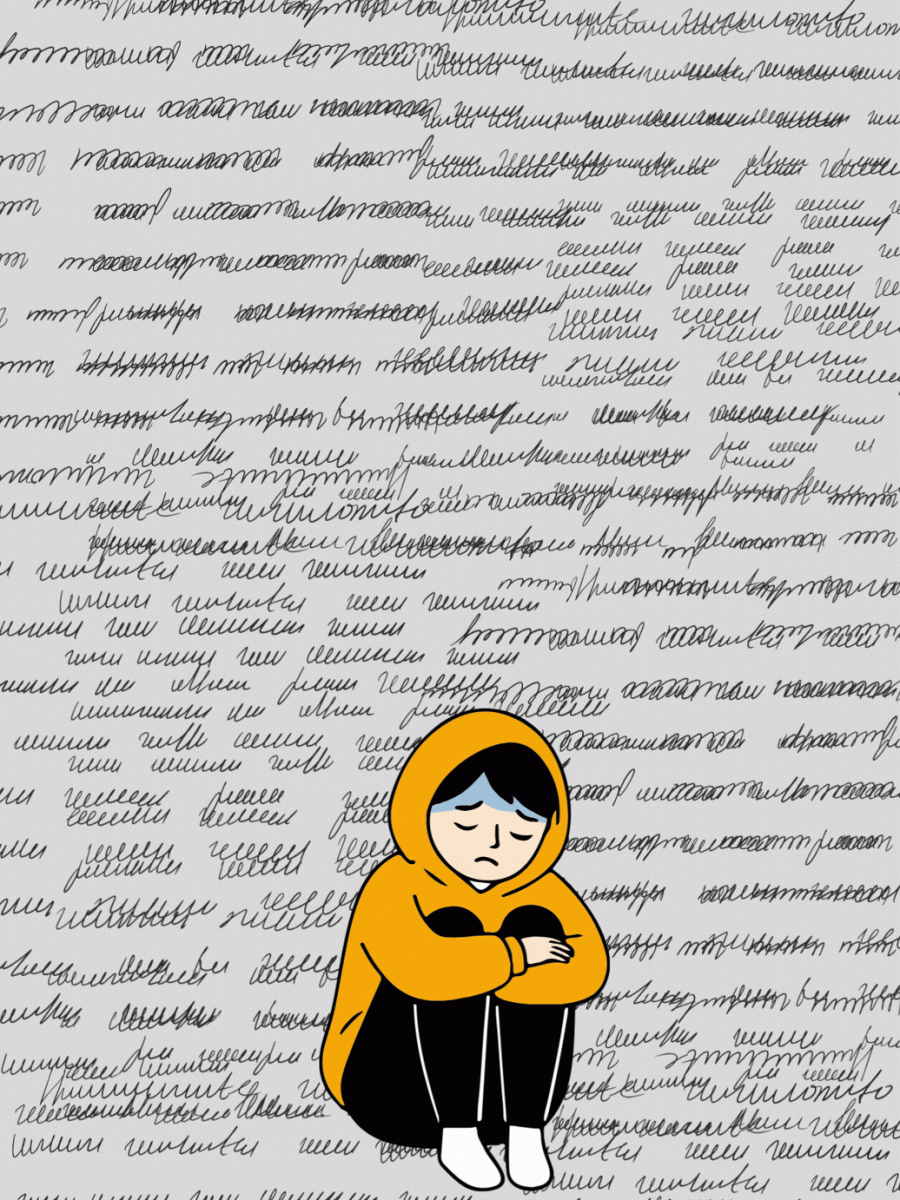
When anxiety turns into a chronic thing, its impact stretches way far beyond occasional nervousness. Physically, it can cause headaches, fatigue, and sleep disturbances. Emotionally, it can lead to the impact of thoughts that downgrade one’s confidence. Behaviorally, anxiety often drives avoidance. This could be a student with lots of potential avoiding participating in class discussions or presentations, all because they are afraid of what others may think or say about them. This might cause a future of avoiding public places completely. Over time, these avoidance patterns can easily make or break and shrink a person’s world.
Lastly, anxiety also affects one’s ability to make decisions. Persistent worry can make an individual over cautious or indecisive. This can affect the every day lookout for someone, whether it’s in the workplace, at school, or even just at home. In academic or professional settings, anxiety may lead to procrastination. However, this procrastination is not caused by laziness, but rather by the fear of failure being so intense it starts to become unbearable. Anxiety is not just a state of feeling nervous, it is the ambition of living in a constant state of mental rehearsal for disasters that will never occur.
Given these significant impairments that anxiety can cause, the next logical question is how it should be addressed, or if it is being addressed at all. Are people treating anxiety at its roots or are they just managing its symptoms so people can function in an already stressful society?
A common go-to treatment for anxiety is Cognitive Behavior Therapy (CBT). This is a well-pronounced treatment that works psychologically. CBT is known for its short-term, goal oriented strategy to help proportionalize thoughts. CBT focuses on thoughts, feelings, and behaviors and is a great way to cope with anxiety according to The American Phycological Association.
Medicine is another common treatment associated with anxiety. These medications -which are similar to antidepressants- work on neurotransmitters in the brain that influence mood and stress responses. For many, medication decreases the intensity of physical symptoms and makes the idea of therapy more accessible. It is commonly assessed that sometimes the best treatments come from CBT and prescribed medications combined.
Treatment does not always mean cure. People often report that although therapy teaches them coping skills and medications reduce severe symptoms, anxiety does not disappear entirely. Instead, it becomes something that is noticeable, something that is easier to monitor and regulate. Anxiety can be regulated to a point by spending some time to cope with it. This can be with journaling, listening to music, or even practicing breathing exercises.
Having the access to care shapes whether anxiety is treated or merely managed. Therapy can oftentimes be too expensive and difficult to obtain. Primary care providers are more than likely constrained by appointments. Stuff happens, and it is what it is, but that is why sometimes self-help is a great alternative. Being able to understand what is going on in one’s own mindset is extremely important. While this may be empowering, it may not fully address the underlying patterns of avoidance that are seen as common nowadays.
The distinction between treating and managing anxiety is not an argument against current interventions. Therapy and medicine have improved many lives and have reduced the suffering of countless individuals. Rather, the question highlights the complexity of anxiety itself. Anxiety is both a natural human response, and, at times, a debilitating disorder, one that resists simple solutions. Effective care may require not only individual treatment but also broader shifts that reduce chronic stress and normalize sustainable expectations.
Anxiety is not a weakness or a trend; it is a fundamental part of human biology that can easily become dysregulated. Being able to understand what anxiety is, and how it can help versus how it can harm is the first step in addressing it responsibly. Whether society is truly treating anxiety or primarily managing it remains an open question, but acknowledging the difference encourages deeper reflection on what genuine mental health recovery should look like. The journey there is different for every one, but the goal remains the same: to live without being controlled by fear.