







































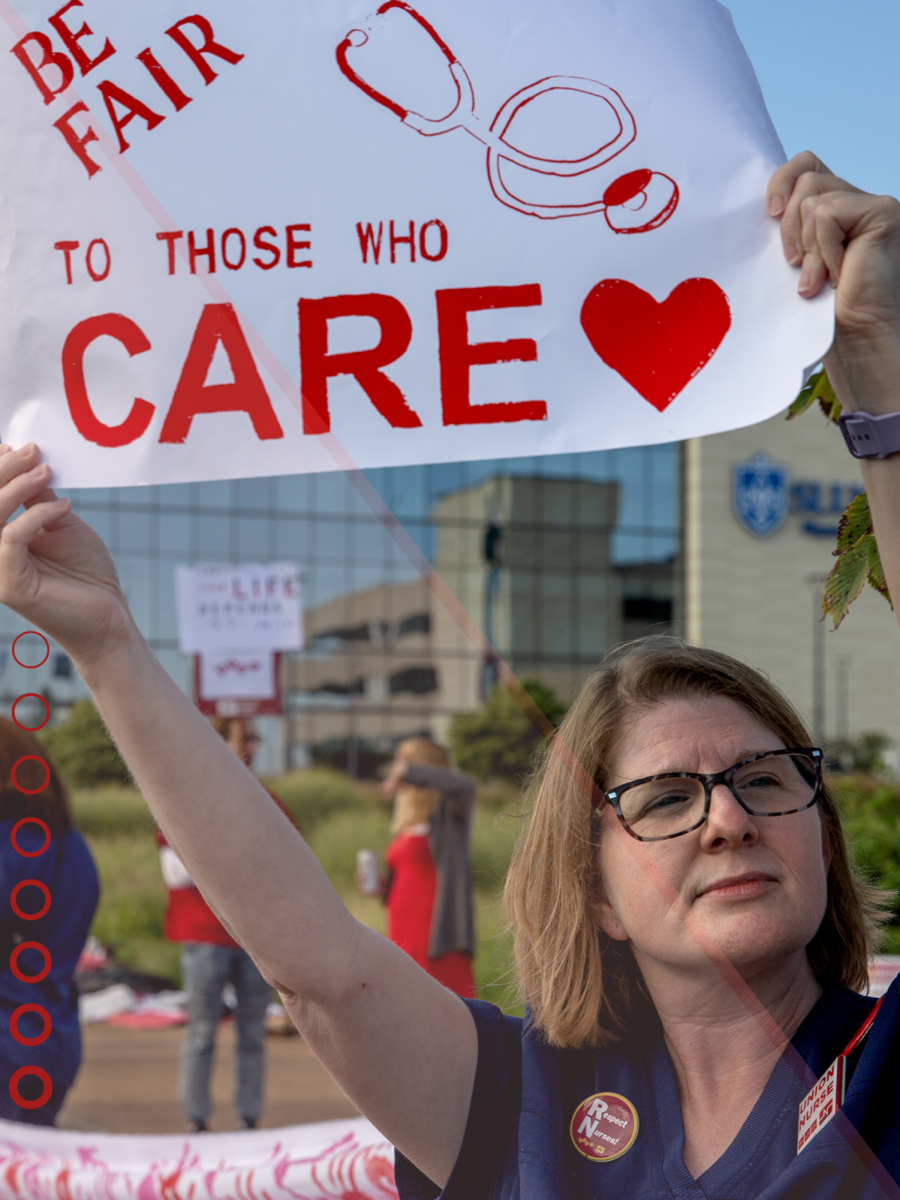
Hospitals across the United States have seen a growing number of nurse strikes as healthcare workers demand safer working conditions, better staffing and protection against workplace violence. These labor actions, which have become more visible in recent years, reflect long-standing concerns about nurse safety.
Safety in the workplace is a primary concern for striking nurses. Many report increasing incidents of verbal threats, physical assaults, and other unsafe situations, particularly in emergency rooms and intensive care departments. Nurses argue that hospitals often lack adequate security and proper training to prevent or respond to incidents. Strikes often include demands for security upgrades such as panic buttons and stronger policies that will, in the long run, protect the staff.
Staffing shortages are another major reason nurses have walked out. Hospitals nationwide struggle to hire and retain nurses. This leaves current staff responsible for larger patient loads. Many nurses report working shifts with patient ratios that exceed recommended levels, making it difficult not only to monitor patients and administer medication safely, but also to respond quickly in case of emergencies. Nurse representatives say that insufficient staffing increases both errors and the rate of burnout; therefore, improving these imbalanced ratios will not only benefit the nurse but also the patient’s safety.
The COVID-19 pandemic intensified these challenges. During the pandemic, nurses faced high patient volumes and shortages of equipment. Even as hospital operations stabilized, workloads often remained heavy. Thousands of nurses have left bedside care due to stress and exhaustion, further worsening staff shortages. Remaining staff reported long shifts, mandatory overtime, and limited recovery time, all of which contribute to physical and mental strain.
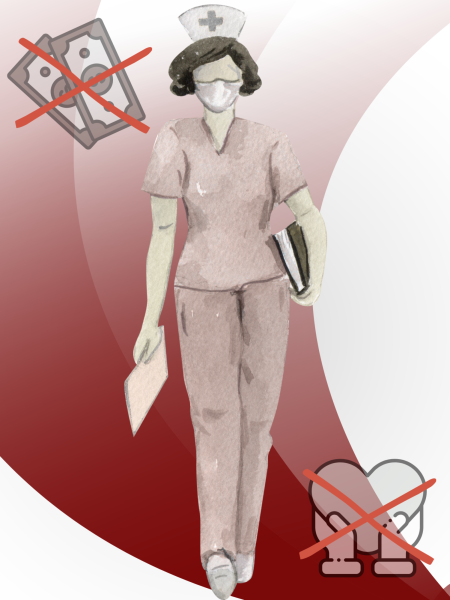
Pay and benefits are also part of the issue. Nurses often frame compensation as a way to improve retention and safety rather than as a financial issue alone. Some hospitals rely on travel nurses to fill gaps, offering higher wages than permanent staff members. This creates tension among teams and is a major contributor to turnover. Striking nurses argue that fair pay and better benefits are necessary to keep experienced nurses in permanent roles, which helps maintain continuity of care.
Hospitals responding to strikes often hire temporary nurses to maintain critical services such as emergency and intensive care. While this helps prevent closures, it can create challenges for workflow and patients’ familiarity. Temporary staff must quickly adapt to new protocols and equipment, which can affect efficiency and continuity. Administrators stress that ensuring patient care is maintained during strikes is a top priority.
Public response to nursing strikes is generally supportive. Nurses are among the most trusted professionals, and many patients understand the pressures staff face in overcrowded and high-stress environments. Labor unions emphasize that strikes are usually a last resort after negotiations fail. They are intended to pressure hospitals to address safety concerns without harming patients.
Legislation has become part of the conversation around nursing strikes. Some states require hospitals to maintain minimum staffing ratios or create staffing committees with nurse representation. Supporters say these measures protect patient safety and improve retention. Ongoing strikes have prompted renewed discussion at both state and federal levels about workplace protections, hospital staffing standards, and workplace safety.
Mental health and burnout are additional issues raised during strikes. Nurses often experience stress, anxiety, and emotional exhaustion from high-pressure work environments. Some labor contracts now require break times during consecutive shifts. Healthcare experts from around the United States note that addressing mental health is essential to keeping nurses in the workplace and maintaining high standards of patient care.
Nursing strikes highlight broader concerns about safety, staffing, and workplace sustainability in healthcare. Nurses argue that hospitals must address unsafe conditions and provide adequate staffing to protect both staff and patients. Administrators stress the need to balance financial limitations with workplace demands. The outcomes of these strikes will likely influence hospital operations and, most importantly, patient care standards across the country.