






































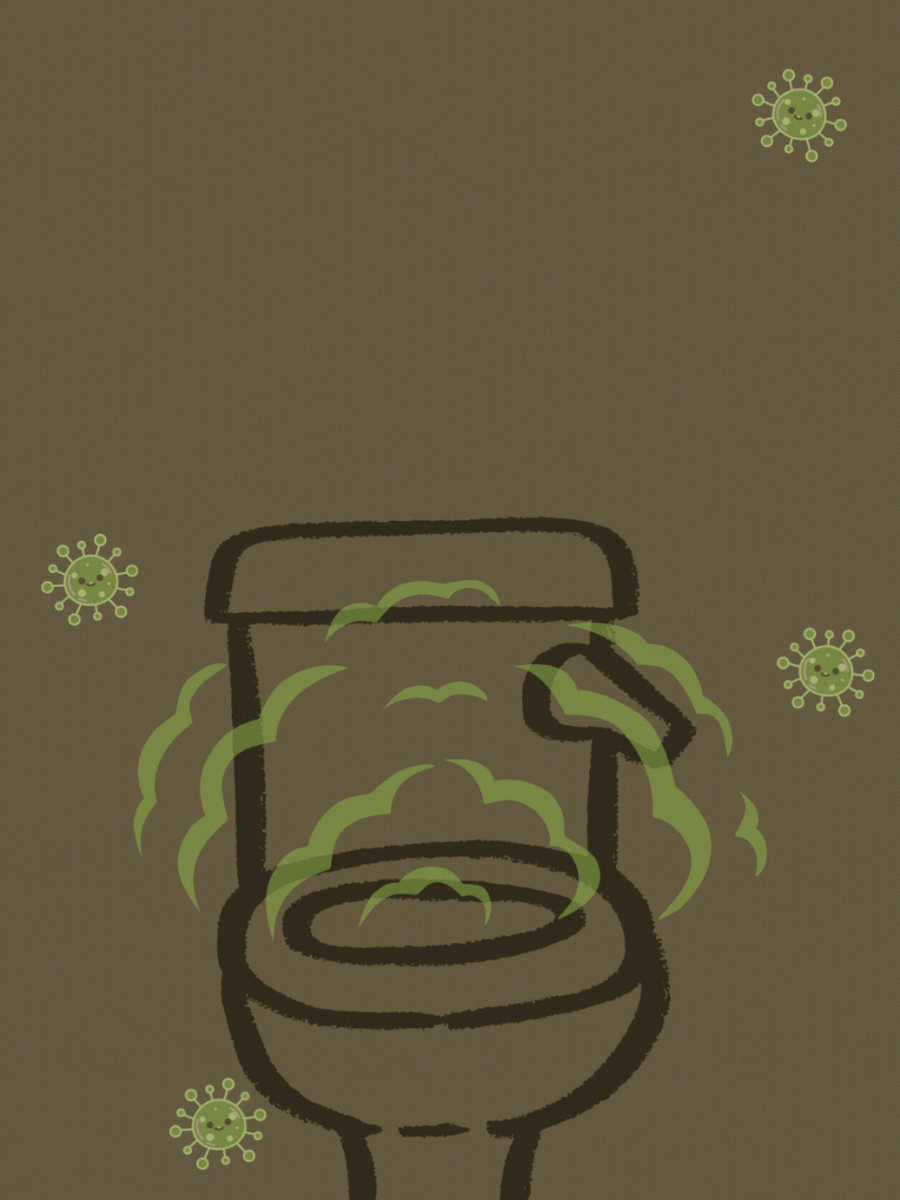
School bathrooms are supposed to be basic areas where students can take care of personal needs, wash up, and get a brief break from academics. In reality, however, many school bathrooms are dirty, poorly maintained spaces that reflect an issue of low funding and low priorities. These conditions can negatively influence a student’s health and comfort. Yet despite hundreds upon hundreds of complaints from users, funding for school restrooms remains limited or nonexistent. Overall, this results in areas that are unhygienic and unwelcoming to all.
The poor state of school bathrooms has drawn attention in research and news reports. The cleanliness of these spaces matters for public health. Toilets, sinks, and floors that are not regularly cleaned or maintained can become welcoming grounds for bacteria and viruses—but not so much for the users. A publication in the Journal of Environmental Health found that restroom surfaces in public schools often harbor a range of harmful micro-organisms, including E. coli and more. This is especially common when cleaning is infrequent and soap dispensers are commonly empty.
Bacteria can spread easily through just one touch, increasing the risk of infections among students and staff. When essentials are not consistently available, students may be unable to wash their hands effectively, which only adds to the problem. Regular hygiene practices are the basics for preventing illness, yet they are difficult to uphold in bathrooms that lack basic supplies and proper handwashing instructions.
Beyond the health risks, poorly maintained bathrooms can also contribute to stress for students. Many people during their adolescent years are already self-conscious about their bodies, and having to use bathrooms that are dirty or vandalized has been proven to increase anxiety levels, according to the NIH.
School districts across the country have stalls with graffiti, missing stall doors, overflowing trash bins, and broken sinks or toilets. When schools fail to invest in maintenance, they send a message—whether intentional or not. The dignity of students is not a priority. This insight can wear on students over time, leading to reluctance to use school bathrooms at all. This can cause physical discomfort and distract from learning, which can also lead to future physical health problems.
Funding plays the main role in this issue. Many public schools are forced to work with tight budgets that are stretched across teacher salaries and maintenance. When budgets are limited, upgrades and routine care can be taken away from because they are seen as “less urgent” than academic or safety needs. However, this overlooks the preventive value of a clean environment. Research in the American Journal of Infection Control has shown that regular cleaning and consistent supplies in restrooms reduce absences due to illness among students and staff. Cleaner bathrooms not only support health but also reduce the likelihood of disruptive outbreaks of infectious diseases—not just diseases, but illnesses that can cost schools more in the long run through lost instructional days and increased healthcare visits.

Low funding also intersects with issues of fairness. Schools in wealthier districts often have newly renovated facilities with modern fixtures. In contrast, schools in lower-income areas may have bathrooms that have not been updated in decades, where fixtures frequently break and remain broken due to a lack of funds for repairs. These minor issues mirror bigger injustices in school funding itself. Districts with strong tax bases can push money toward building upgrades, while those in economically disadvantaged communities struggle just to keep the lights on and provide education to the best of their ability. Students attending underfunded schools are directly affected by these factors.
Staff are often aware of the issues and their impacts. Many teachers report spending instructional time addressing bathroom issues and helping distressed students deal with conditions, all while balancing outside complaints. Custodial workers are frequently stretched thin, responsible for cleaning large numbers of bathrooms with limited time and resources. Many also lack access to the best supplies in order to work more efficiently. This situation builds stress on both sides and can contribute to a clearer sense of “neglect.” When the adults in the building recognize the issues, yet the administration does not take action to fix them, students and parents realize that their well-being in the school is not supported.
There are examples of what proper investments can achieve. Some school districts have enforced “restroom improvement plans” funded through grants that focus on repairing these problems. In some schools, students have been involved in proper hygiene teaching, helping one another by educating peers on proper handwashing. These community-based approaches, when paired with financial support, make bathrooms safer and healthier spaces and empower students by treating them as actual people in environments they are required to be in.
Making investments in cleaner bathrooms may not make headlines like new computers, but it reflects a commitment to the everyday well-being of students. Healthy environments support healthy bodies and minds. When students feel comfortable and safe in their surroundings, they are better able to concentrate on academic tasks. When basic facilities are cleaned regularly, schools reduce the spread of illness that leads to increased absences. When students see that the environment they are strongly expected to attend is respected and cared for, it proves to be a more positive place.
School bathrooms should not be an afterthought. They are essential spaces in public schools, and their condition is a reflection of how seriously a school takes its students’ physical and psychological comfort. Yet many facilities remain in disrepair and unhygienic. As a result, students continue to navigate learning environments that support their intellectual growth but neglect their most basic human needs.





Makenzie Spang • Apr 8, 2026 at 2:32 pm
This is crazy, go Kaylee for writing this!