

























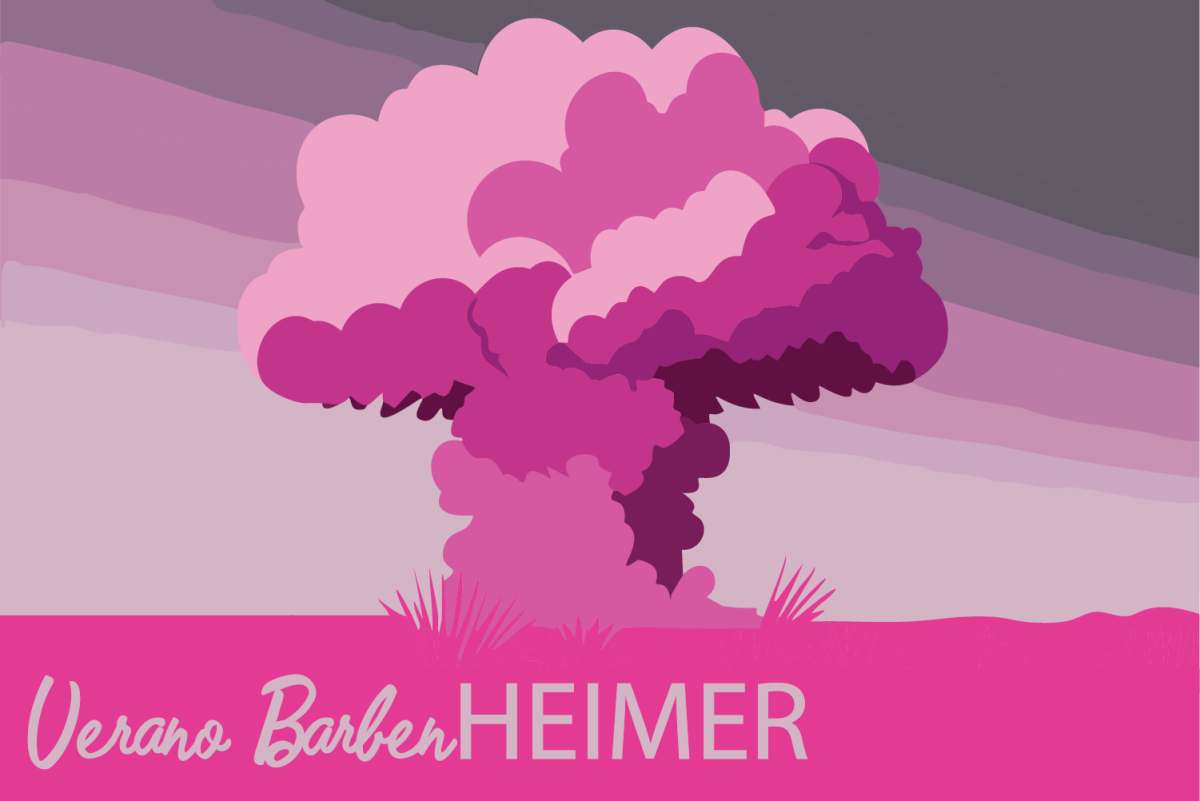





In just two years, generative artificial intelligence has exploded in popularity and capability, with no signs of slowing down. The newest leap is Sora 2, a video generation model. Sora 2 is designed to be more precise, believable and controllable than earlier tools. It can scan a user’s likeness and include them in generated videos, allowing people to insert themselves into AI-made scenes. The results have spread quickly on social media, with many users now finding themselves stopping mid-scroll to ask, “Is this real?”
The reaction is fueling a large debate about how AI should be used and who should control it. Many experts and public officials believe AI should be regulated to prevent misuse. Stanford University’s Institute for Human-Centered Artificial Intelligence reported that in 2023, 73.7% of local U.S. policymakers — including township, municipal and county officials — agreed that AI should be regulated. That was up from 55.7% in 2022, according to the report. Supporters say regulation is in the best interest of the public. Others say that AI tools should mainly remain unrestricted to allow innovation.
Sora 2’s release also shows how fast generative AI is improving. Earlier video models often produced obvious mistakes, like physics that didn’t make sense or objects that changed shape mid-scene. For example, if a basketball player missed a shot, the ball might suddenly “teleport” into the hoop. Sora 2’s developers say the new model is better at following the laws of physics. If a player misses a shot, the ball is shown bouncing off the backboard instead of magically scoring.
The model can generate fundamentally complex motion that older models struggled with. The developers state, “Sora 2 can do things that are exceptionally difficult—and in some instances outright impossible—for prior video generation models: Olympic gymnastics routines, backflips on a paddleboard that accurately model the dynamics of buoyancy and rigidity, and triple axels while a cat holds on for dear life.” While the tool is still not perfect, supporters say its videos can be used for work productivity.
Oxford Academic published a study that found text-to-image AI boosted human creative productivity by 25% and increased how often an artwork was marked as a “favorite” by 50%. Advocates say AI can help artists overcome creative blocks and experiment with new styles.
Businesses are also using generative AI to promote productivity and innovation. Researchers at the University of Cincinnati said that generative AI can help teams develop new ideas, while other AI systems can analyze huge amounts of data to predict trends and help companies design products that fit what customers want.
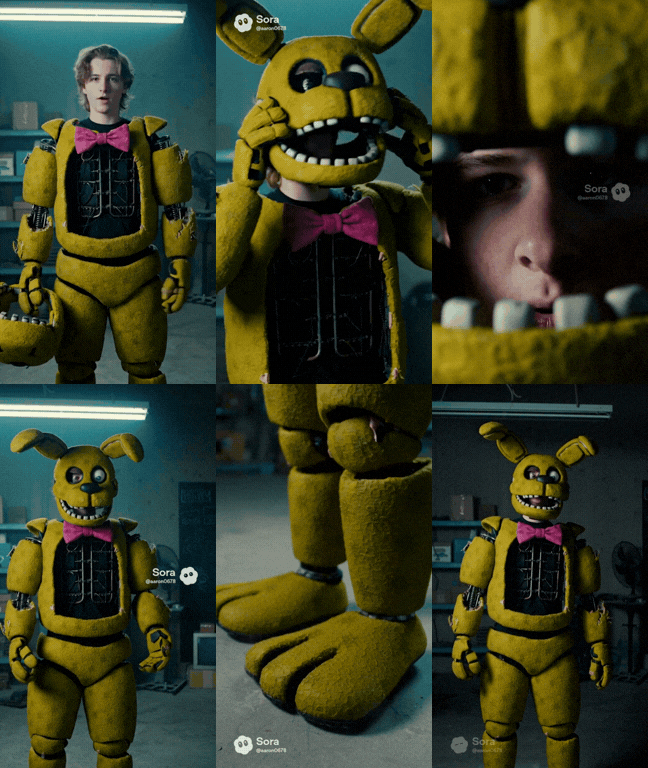
Despite the growth of generative AI, many critics believe that copyright infringement is a crucial issue. OpenAI allows users to generate copyrighted content. According to the Harvard Journal of Sports & Entertainment, “As of now, the app is new, so it is not fully clear to the public what lines OpenAI will draw between permissible and impermissible generated content. If litigation ensues over Sora, it will pose difficult copyright questions.”
The criteria that OpenAI attempts to follow are “fair use.” The court of justice follows four ideas that decide what “fair use” means. These consist of the purpose and character, the nature, the amount and substantiality used, and the effect of the potential value of the copyrighted work. The Guardian claims, “Sora’s feed is full of videos of copyrighted characters from shows like SpongeBob SquarePants, South Park and Rick and Morty. The app had no trouble generating videos of Pikachu raising tariffs on China, stealing roses from the White House Rose Garden or participating in a Black Lives Matter protest alongside SpongeBob, who, in another video, declared and planned a war on the United States. In a video documented by 404 Media, SpongeBob was dressed like Adolf Hitler.” This has led to many lawsuits, such as The New York Times v. OpenAI.
Additionally, generative AI can spread false information; fake videos may convince most. This content can be used to fearmonger and manipulate the masses to a desired agenda. According to The Guardian, a Sora user generated videos of bomb and mass-shooting scares across college campuses and in New York’s Grand Central Station.
Alongside social media dilemmas, immense generative AI usage negatively affects the environment. According to the Environmental and Energy Study Institute, the 5,426 data centers nationwide are already impacting local communities. Northern Virginia contains the highest concentration of AI data centers, which were estimated to consume 2 billion gallons of water in 2023.
Despite the growing awareness of the negative impact of generative AI, many continue to use it. This has left many asking the question, “Where do we go from here?”

Catalina Velasquez • May 1, 2026 at 8:37 am
Very interesting article!
Alexa Rasmussen • Apr 30, 2026 at 9:16 pm
This is an amazing article!!!!
Alan Rivera Lepe • Apr 30, 2026 at 2:54 pm
it is very worrying to see what skills AI might replace slowly! regulations are really needed for it. the overuse of it is clearly harming in places we aren’t looking at yet. Great Article, very informative
Madelyn Pablo Pablo • Apr 30, 2026 at 1:45 pm
I loved the article, and I agree with it because, lately, many people have been using AI to fabricate things that don’t exist. There are also students using AI to complete their assignments; if they continue down this path, they may never actually learn anything—and that is not good.
Christy • Apr 30, 2026 at 12:56 pm
Aaron, what an informative article. Thank you.
Ashley • Apr 30, 2026 at 11:27 am
Great article, Aaron! As an educator, it does worry me what could happen to students’ writing skills and lack of proper citations.