






























After years of teaching art, Mara Hornig has decided that it is time to retire at the end of this school year. Despite her retirement, Hornig has a lot to look forward to and plenty of art to create.
“I’m expecting my first grandchild, so I can’t wait to hold her. It’s going to be a girl,” Hornig said. “I’ll get to go visit occasionally, yeah, and then I intend to do a lot of artwork. I’m currently vice president of Gallery 92 downtown.”
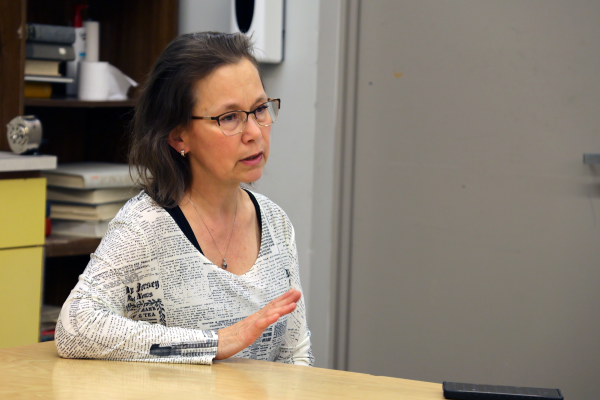
Post-retirement, Hornig plans to continue her artistic development with more time and freedom than ever, allowing herself to explore more of the artistic world.
“I do everything, just like I did with the kids. I’ve never had a student do a project that I didn’t make myself do. So by doing so, then I learn things, and then it makes me better at teaching it,” Hornig said. “So now I’m going to do a bunch of activities and projects that I never got to do.”
With so many mediums and artists, she has trouble picking only one as her favorite.
“Honestly, I can’t think of a favorite piece of work. I’ve been to different places in the world and seen a lot of different art. I went to Rome a couple of years ago. I think my favorite sculpture was done by Michelangelo, Pietà. My favorite artist is Caravaggio because his work is very dark and very graphic.”
Hornig has always loved art; however, teaching was an unexpected path she discovered in her early years.
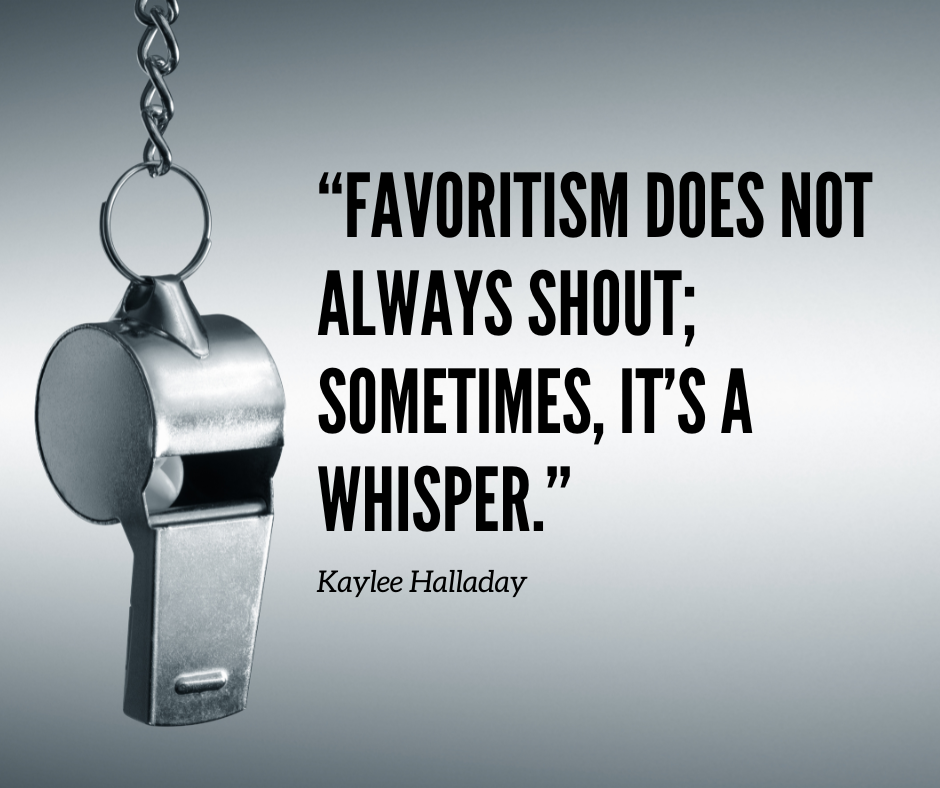
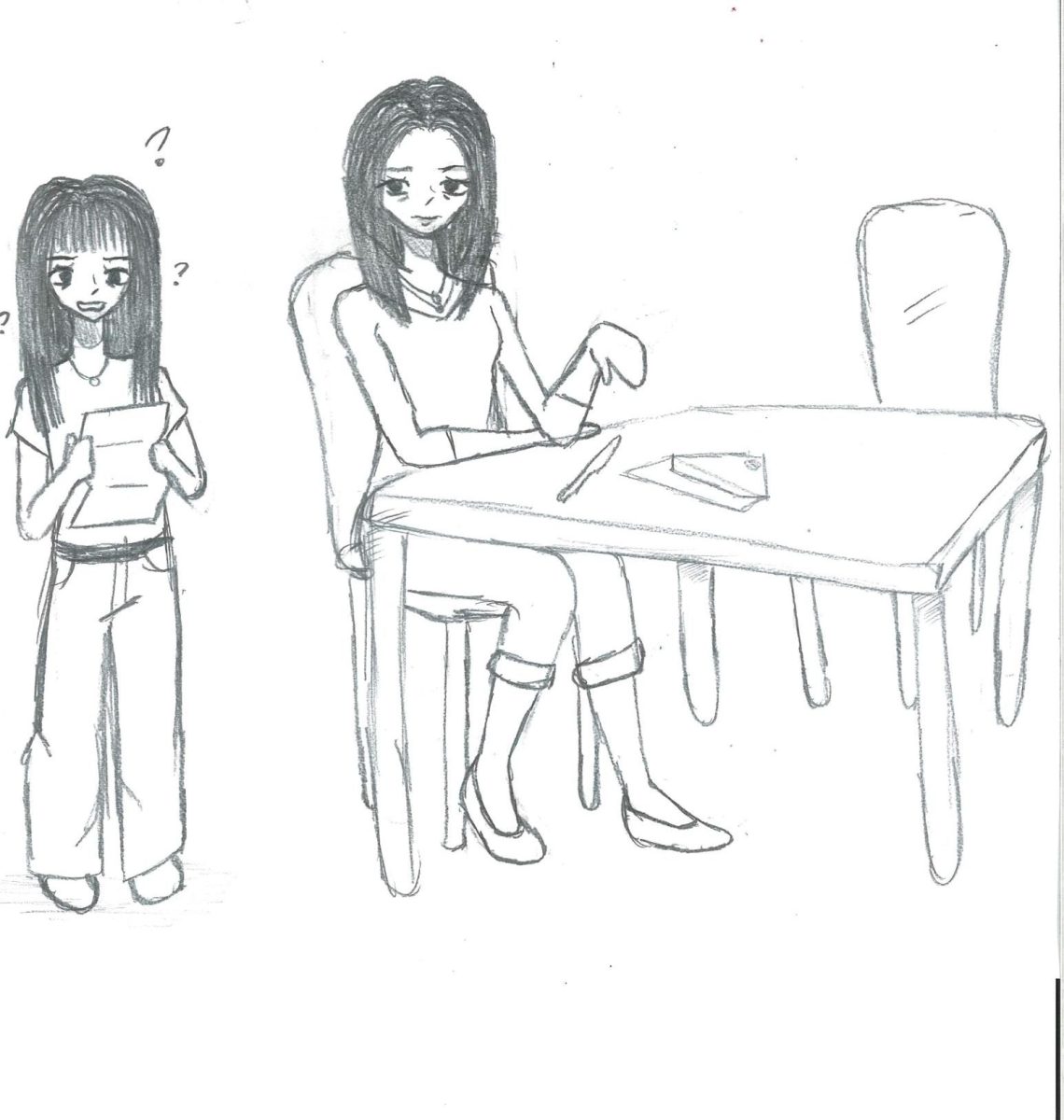
“I didn’t really choose to teach art. I failed chemistry my senior year, and I was supposed to graduate midyear, and I had to take an art class. The teacher was, let’s just say, he had his favorites, and he didn’t pay attention to any of the other students that he didn’t feel were worthy of his attention,” Hornig explained. “And I thought that was horrible. I always loved art, don’t get me wrong, but that teacher kind of — if you know anything about my personality — if you tell me I can’t do something, then suddenly I want to do it. So I think that’s kind of what subconsciously made me go into art.”
The students in Hornig’s classes have always been very important to her. She loves seeing the growth and surprise students have when they create a piece they are proud of.
“I will miss the kids, and I miss seeing people get super excited when something turns out really well and their skill has surprised them,” Hornig said. “I had a special ed kid that was in here. He had an individual IEP, and he was very low functioning mentally, and he actually did a grid drawing that was highly recognizable and had great value. And he was so excited, he started crying.”
As she prepares to leave the school, Hornig said there is one thing she hopes students take away from her classroom.
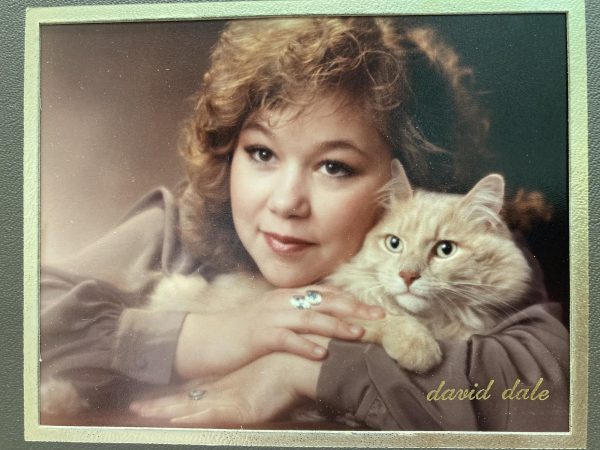
“The reason I was so strict is because I feel like I need to be consistent, and I don’t play favorites,” Hornig said. “I think kids need boundaries in order to excel. You have to have some boundaries and guidelines to go by, and if you don’t, you’re just all over the place. So you need some direction, and I was hoping to provide people direction, and slowly they would get better. But you have to have control of the classroom in order to do that, and if you don’t have consistency and guidelines and expectations, then some of those kids fall through the cracks, and that’s not very fair.”