



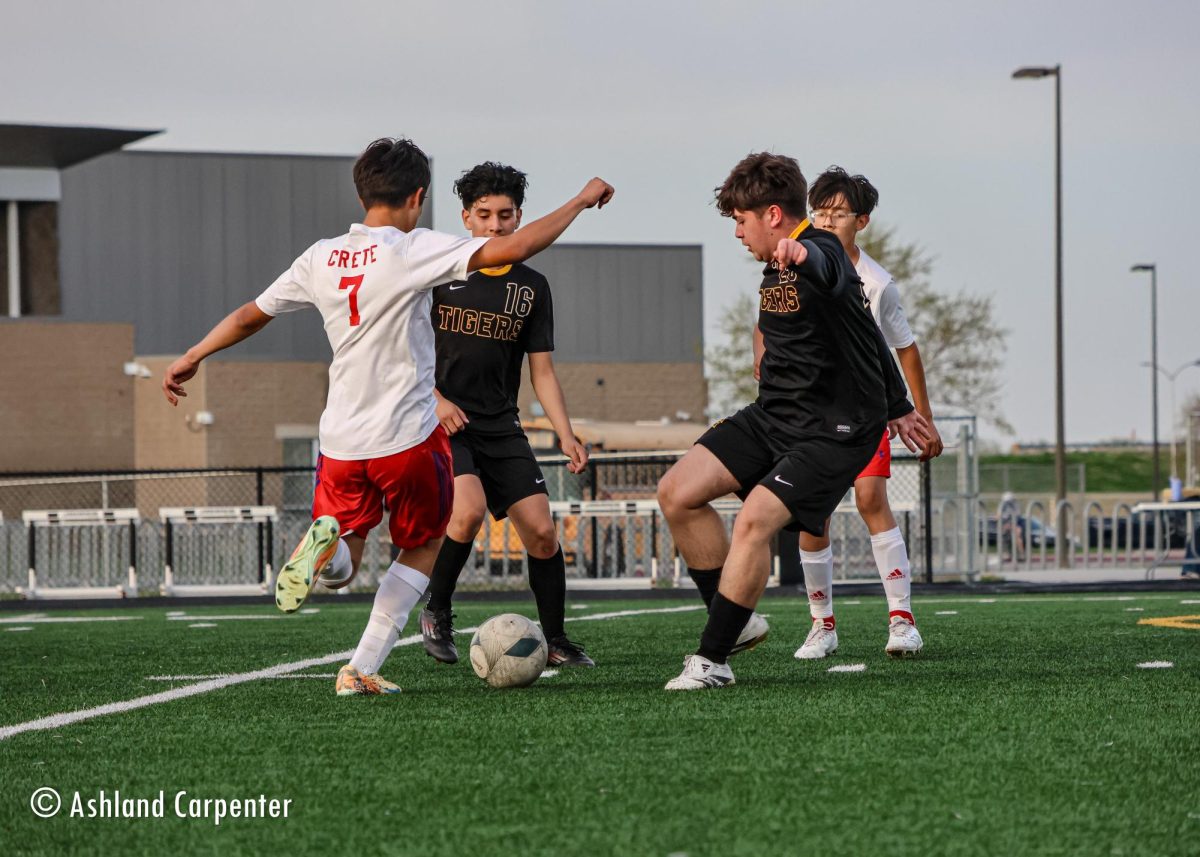





































In a crowded gym on a Saturday morning, the squeak of sneakers echoes off the walls. Youth athletes try their hardest to win with effort and excitement. On the sideline, a coach promotes encouragement, showing nothing less than pride. However, one player always seems to get the extra nod, the extra chance, the subtle pat on the back that others never receive. That player is the coach’s child.
Scenes like this unfold in towns everywhere. On the surface, it seems innocent enough: a parent volunteering to coach, giving time and energy to support the team. It looks like generosity and commitment. But beneath the surface lies a silent imbalance, one that many children notice long before the adults do. When a parent coaches a team that includes their own child, the game can change in ways that statistics could never fully capture. It becomes about more than winning or losing. It becomes about fairness, belonging, and how young athletes learn what fairness truly means.
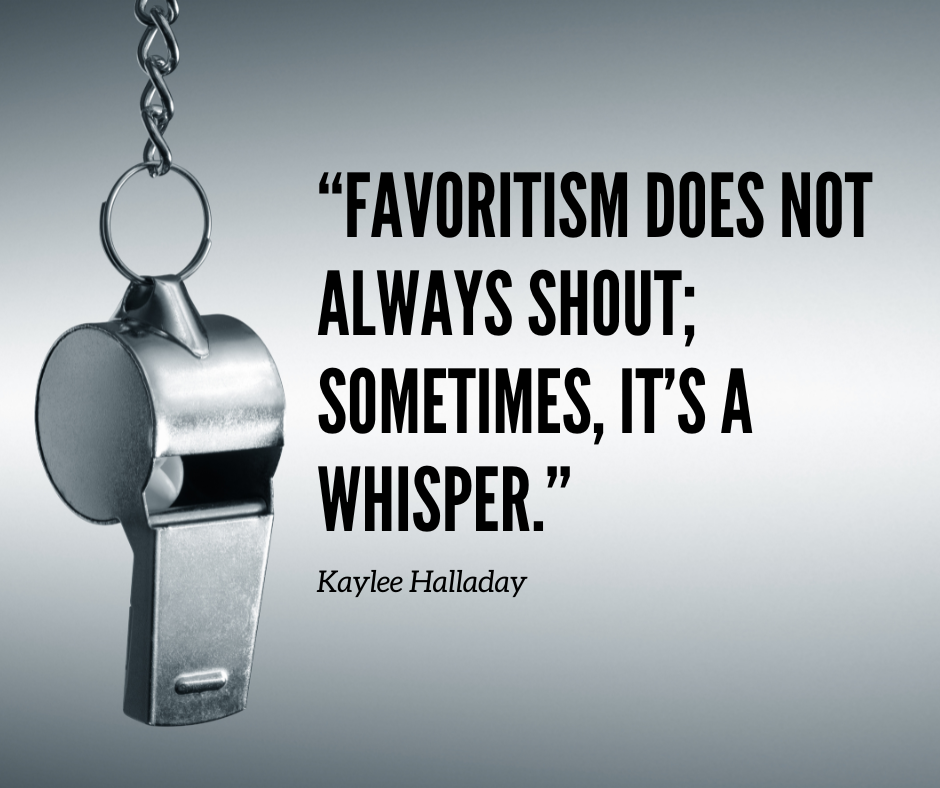
Favoritism does not always shout; sometimes it’s a whisper. It shows in the kid who stays in just a little longer, who gets a softer tone when corrected, who is chosen for the spotlight moments. Other players feel the unfairness even if they cannot name it. They notice who gets pulled aside for private advice and whose mistakes are brushed away. Over time, that quiet imbalance begins to shape how children see themselves, how they see authority, and how they measure self-worth—and the effects are rarely positive.
For a player sitting on the bench, watching another get chance after chance, it can feel like effort does not matter. No matter how hard they try, the outcome seems decided before the whistle even blows. That kind of lesson stays with a person. It doesn’t just live in the gym or on the field; it follows them into classrooms, workplaces, and friendships. It teaches that sometimes, no matter the effort, fairness bends toward those with connections.
The hurt doesn’t end with the overlooked players. The coach’s own child often carries a burden as well. Some parent-coaches, desperate to appear fair, swing the other way—holding their child to a higher standard, correcting more sharply, or sitting them out to avoid judgment. Others unintentionally build invisible walls between their child and the rest of the team. Either way, the field stops feeling like a safe, joyful place to play.
Children shouldn’t have to be involved in adult conflicts, yet on parent-coached teams, they often are. Other players question their roles, the coach’s child questions their worth, and the coach is torn between two roles that simply do not mix: supportive leader and parent. Even the stands fill with quiet division, as parents worry about fairness and the team dynamic.
Fairness isn’t just about who plays the longest or scores the most; it’s about every child feeling that they matter equally. That their hard work is seen. That their place on the team is earned, not predetermined. When that sense of fairness disappears, something larger is lost. Confidence fades, and the joy that first brought kids to the sport—the thrill of learning, competing, and belonging—slips away.
Many parent-coaches truly mean well. They fill roles others won’t. They juggle work, schedules, and endless practices because they care. Their intentions are not the issue; the structure is. Expecting anyone to separate the love of a parent from the duty of a coach is asking for the impossible. Love carries bias, even when it hides behind fairness.
Imagine if the system worked differently. Imagine if parents coached teams that did not include their own children, where every player was simply another young athlete with potential. Imagine if transparency guided decisions, if rosters and playing time were explained openly, and if children could trust that the game was as fair as it claimed to be.
That kind of change would take effort and community courage. But it would restore something priceless: integrity. It would let every child know that the work they put in actually matters, that the game isn’t decided before it begins, and that adults value fairness as much as they say they do.
Youth sports are more than games. They are classrooms for life. They teach teamwork, humility, resilience, and fairness. But when favoritism replaces fairness, those lessons lose their meaning. Children grow up believing success depends not on excellence, but on connection. And once that belief takes hold, it is hard to unlearn.
Every child deserves a level playing field—literally and figuratively. They deserve a coach who sees them not through the lens of family, but through the lens of potential. When that happens, the results go far beyond wins and losses. Kids grow stronger, teams grow closer, and communities grow prouder.
The fix isn’t complicated. It’s choosing fairness over familiarity. Parent-coaches may have good hearts, but even good hearts can’t outrun bias. Real integrity comes from recognizing the truth and changing the system so every child, no matter their last name, has the same chance to shine.








Makenzie Spang • Apr 8, 2026 at 2:20 pm
It’s interesting to see this side of sports covered.