





























When I was a child, my mom always warned me to never throw my chewed gum on the ground because it would “kill the birds.” She’d say the same thing to all of my siblings. At the time, throwing a piece of gum on the ground didn’t seem so bad.
It made me wonder: Why birds specifically? What harm does gum really do to birds? Were other animals also at risk from gum? As I got older, I realized her warning reflected a much bigger problem: how easily everyday litter harms wildlife.
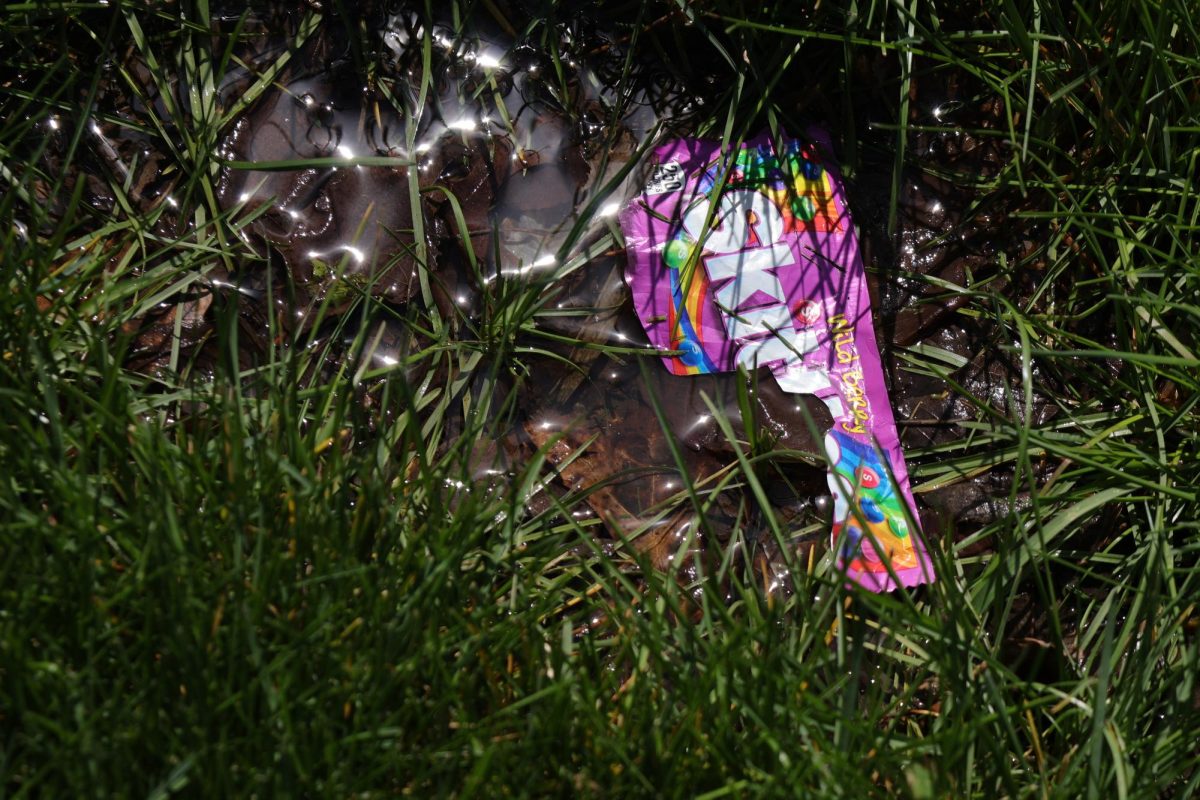
Throughout the day, it’s easy to throw waste like gum or bottle caps on the ground without thinking about the consequences. Most people know birds can get caught in six-pack rings or mistake trash for food, and marine animals often do the same. The bigger problem is that we’re unaware that most of this litter comes from everyday waste. We underestimate how ordinary waste harms wildlife because the damage often happens out of sight.
The consequences of everyday litter extend far beyond what we can see.
When people think about litter, they often picture plastics floating in the ocean, overlooking the damage happening in their own communities. Litter ends up on streets, affecting both communities and animals. Therefore, we have a responsibility to pick up and properly dispose of the waste we produce. Without change, animals will continue to fall victim not only to predators, but also to human waste.
For instance, the University of Nebraska-Lincoln conducted a 2021 study looking into how small mammals are affected by litter and debris. The authors, Johnson and Geluso, wrote, “In Nebraska, about 20 species of small mammals can be trapped in littered bottles on the basis of their small size.”
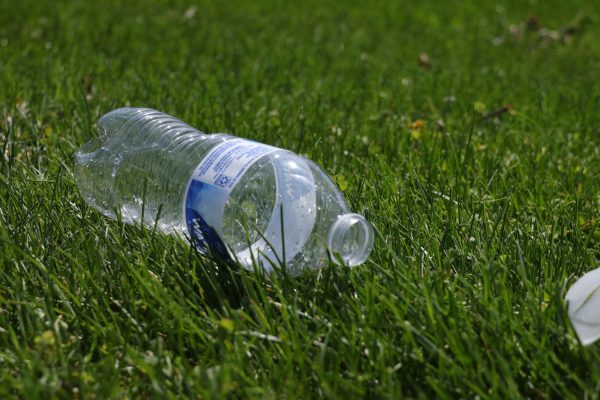
Of the 459 containers found alongside the road, 5.7% contained dead mammals, such as various species of shrews and rodents, which all play an essential part in the Nebraska ecosystem.
Animals constantly search for food to survive. Consequently, more than 700 species (including 90% of seabirds) are affected by plastic, leading to malnutrition, internal injuries and often death. These plastics can carry bacteria, toxic chemical additives and hazardous heavy metals.
Throwing out one piece of trash may not seem harmful, but no one sees the bird that swallows the bottle cap hours later. A 2023 study by the Restore Science Program found that the animal kingdom has ingested plastic from more than half of studied waste sources.
Eliminating all trash overnight may be impossible, but changing habits can make a meaningful difference. By using reusable water bottles, recycling correctly and repurposing items before throwing them away — such as turning empty glass jars into storage containers or old shirts into cleaning rags — you can play an important role in creating a healthier environment.
The next time you consider tossing gum or a bottle cap onto the ground, remember: The consequences may not be visible — but for wildlife, they can be life-threatening. Wildlife preservation is not strictly for the coastlines, but for Nebraska wildlife, too.

Juana Hernandez Tziquin • May 5, 2026 at 10:57 am
This is a great article to warn those who litter and what the consequences could be, but we should always find a way we can make the environment better.
Taylor Warner • May 4, 2026 at 2:53 pm
this is all true…
Mayrin Lopez • Apr 23, 2026 at 7:52 pm
Amazing article!! People talk a lot about littering and pollution but it seems as if it’s never put into place. I’m so glad an article was written to raise more awareness!
Catalina Velasquez • Apr 22, 2026 at 9:31 am
Eye opening look at everyday waste and its impact.