




































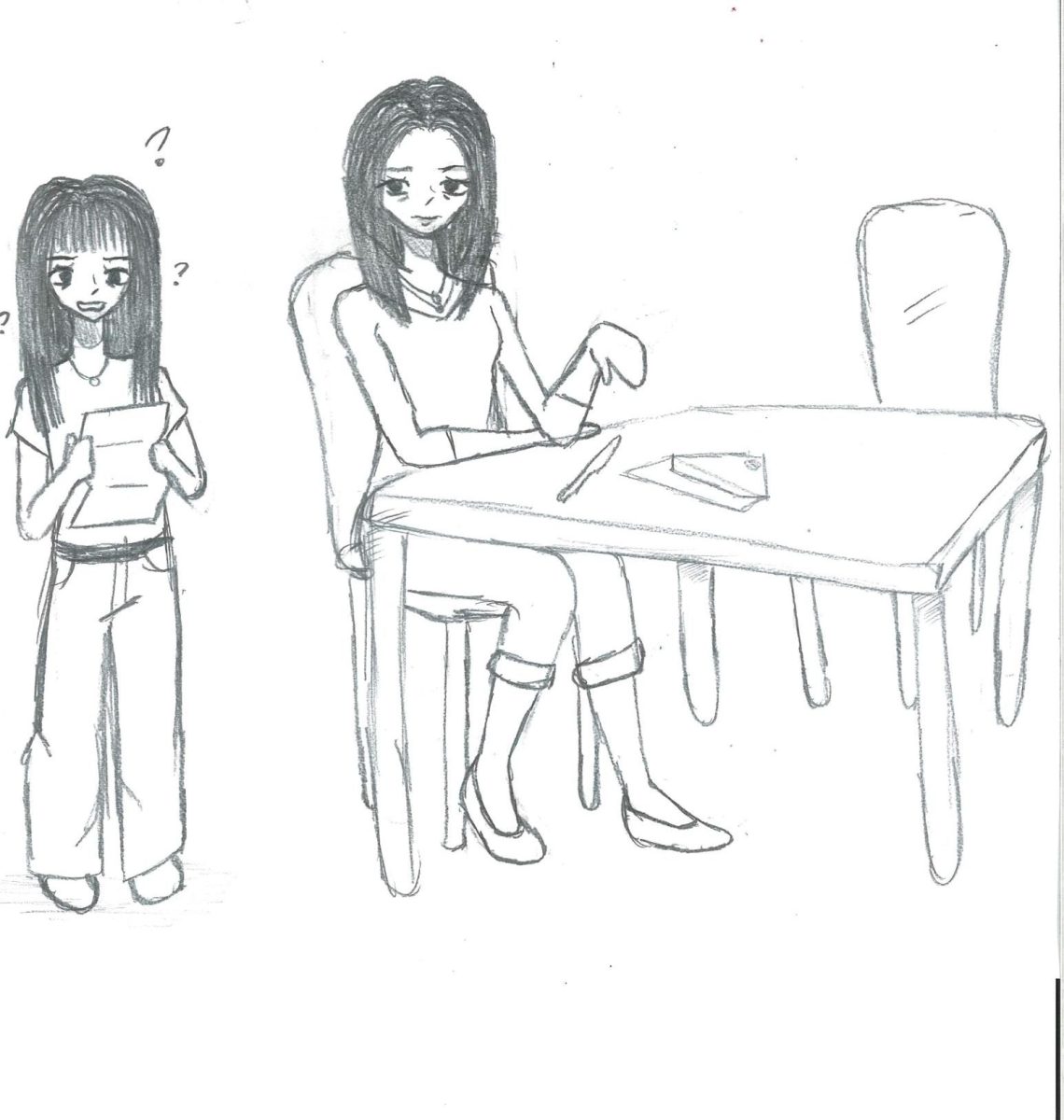


A HSP, or Highly Sensitive Person, is known as a sensory processing disorder. Only about 15-20% of the general population are HSPs. People with this personality trait are characterized by a sensitive nervous system that processes information, emotions and sensory data more deeply than normal.
The term HSP was labeled by psychologist Elaine Aron. Aron’s theory suggests that people with HSP have increased emotional sensitivity, stronger reactivity to both external and internal stimuli and a complex inner life.
Outside of this straightforward definition, there are many traits that accompany a HSP. Most HSPs, even extroverted ones, are overwhelmed by social interaction. Having a tendency to avoid people, they are experts at going unnoticed.
HSPs feel all of their emotions very deeply. It’s like they have the volume turned up on all five senses. They share deep emotional bonds with others, valuing deep, meaningful connections over superficial friendships. They have a rich inner life, having a tendency to be naturally introspective and creative.Thoroughly considering all possibilities, they struggle with decision-making if there are too many options.
All of these traits may lead someone to believe that all HSPs are introverts, but that is false. About 70% of HSPs are introverts (people who need time alone to recharge) while 30% are extroverts (people who gain energy from being around other people).
Having these traits as a HSP poses some challenges.
HSPs may struggle to adapt to new circumstances, have disproportionate emotional responses in social situations, and become uncomfortable in response to lights, sounds or certain sensations.
People who respond strongly to criticism, become easily overstimulated more than normal and have a rich inner world are more likely to be HSPs. It’s common for HSPs to have a higher capacity for empathy and are very aware of the moods of others.
Determining if someone is a HSP is an individual determination and not something that doctors or psychologists diagnose.
HSP adolescents tend to struggle more, but there are many ways to make it easier for them. It’s beneficial for them to develop an understanding of HSP traits in correlation to them as an individual and find healthy ways to cope. They need alone time to properly decompress away from areas of high stimulation. While everyone needs the right amount of sleep, it is even more essential for deep-thinking highly sensitive teens, because their brains do a lot of processing during the night.
In addition, all teens have some sort of semblance of control, highly sensitive teens, in particular, feel anxious when they don’t have control over their own lives, and that anxiety can last well into adulthood.
A good support system is also very beneficial. Their ability to tune in to the emotions of others means they may get caught up in frequent dramas at school, be deeply affected by their friends’ problems, and get heart-broken more easily. This is why it is very important to have a healthy support system.
It’s imperative that HSPs prioritize self-care, especially when faced with stressful situations. Self-care is critical for HSPs, particularly when faced with stressful situations. Getting enough sleep, eating a healthy diet, limiting caffeine, and taking the time for decompression can all be useful strategies. Talking to a friend or therapist can also help an HSP cope with heightened emotional responses to stress.
The 70% of people who are not HSPs can help those who are.
It’s important to accept temperament changes, giving the person time to decompress and being aware of possible things that could overstimulate them.
Like all personality traits, there are pros and cons to being highly sensitive. With proper support and a recognition of one’s own strengths and weaknesses, HSPs can set up environments in which they can thrive.